Office Design · 8 min read
The Complete Guide to Choosing Office Furniture in Nigeria
A productivity-through-design playbook for Nigerian businesses choosing chairs, desks, storage and meeting furniture that last beyond the warranty.
Why office furniture is a productivity decision
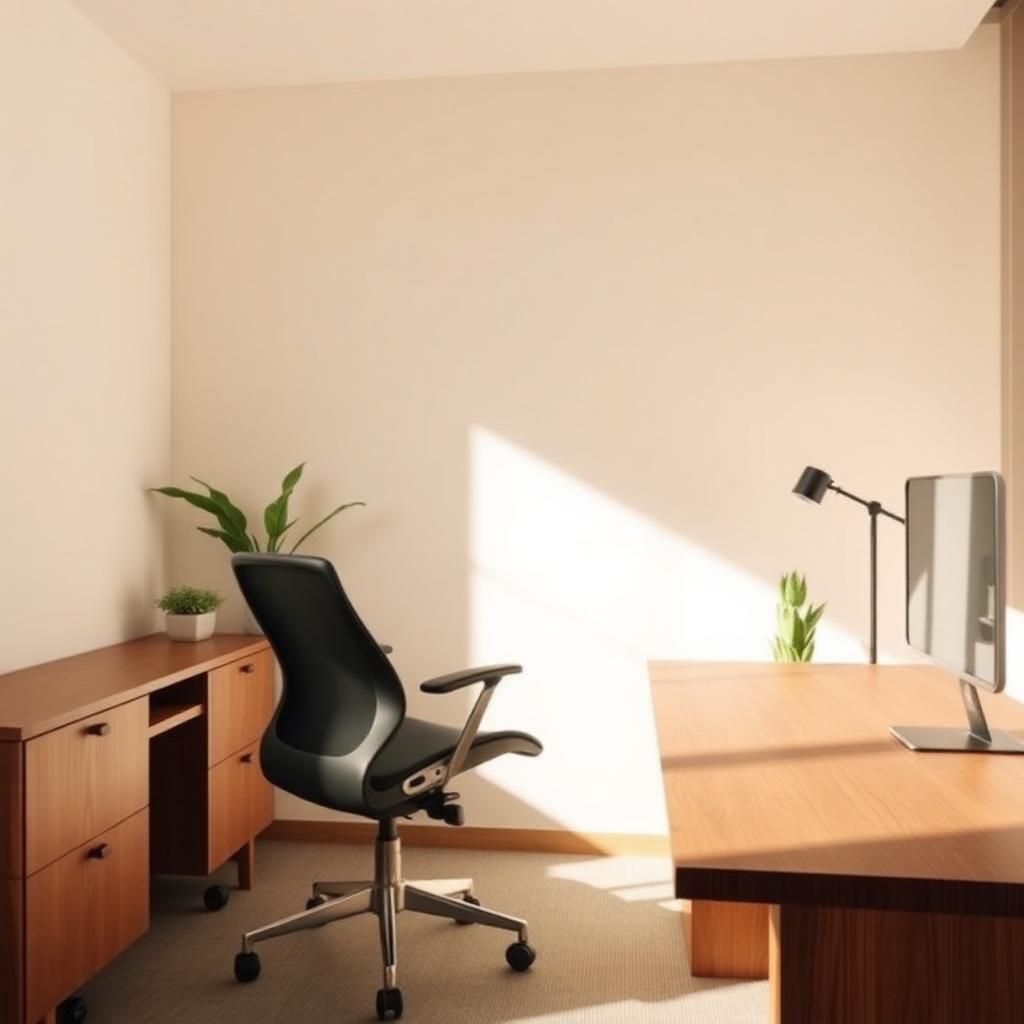
The right office furniture in Nigeria does more than fill a room — it shapes posture, focus, and how long your team can do deep work without fatigue. In humid coastal cities like Lagos and Port Harcourt, and in drier climates like Abuja and Kano, the demands on materials, foams and finishes differ. A purchase that ignores climate, power realities and daily use becomes a recurring expense within 18 months.
This guide takes a minimalist, design-first approach: fewer pieces, better engineered, chosen for the way your people actually work.
1. Start with the chair, not the desk
The seat is where productivity is won or lost. Look for:
- Adjustable lumbar support — the lower back should be cradled, not pressed.
- Seat depth adjustment — there should be 2–3 fingers of space behind the knee.
- Breathable mesh back — essential in Nigeria's heat; foam-only backs trap warmth.
- Class 4 gas lift — anything lower fails quickly under daily use.
- Five-star nylon base with PU castors — quieter and gentler on tiled floors than hard plastic.
2. Choose desks for posture, not just looks
A standard 75 cm desk height suits most adults, but a sit-stand desk pays for itself in alertness during long afternoon sessions. For executive offices, solid hardwood or veneered MDF with a moisture-sealed edge resists Nigerian humidity better than open particle board.
Leave at least 120 cm of clearance behind each desk so chairs can roll without colliding — a small spec that transforms how an open-plan floor feels.
3. Plan storage as architecture
Treat filing cabinets, credenzas and shelving as part of the room's layout, not afterthoughts. Low credenzas double as room dividers and keep sightlines open. Lockable pedestals under each desk reduce the need for bulky filing walls — and they protect personal items in shared workspaces.
4. Specify for the Nigerian climate
- Avoid raw leather in unconditioned spaces — humidity accelerates cracking. Bonded leather or high-grade PU lasts longer.
- Powder-coated metal frames resist rust better than spray-painted ones, especially near the coast.
- Sealed wood edges stop swelling from spilled drinks and morning condensation.
- UPS-friendly cable trays — design for inverter cables from day one, not as a retrofit.
5. Meeting rooms: fewer, better pieces
A six-seater conference table in a real hardwood beats a ten-seater in cheap laminate every time. Pair with armless mid-back chairs so people can pull in closer for collaborative work, and leave one wall clear for a display or whiteboard.
6. Budget for a 7-year horizon
Good office furniture is a capital decision, not a consumable. Divide the price by the years you expect to use it. A ₦450,000 ergonomic chair used for seven years costs less per workday than a ₦120,000 chair replaced every eighteen months — and it carries a productivity benefit the cheaper option never delivers.
A short checklist before you order
- Measured floor plan with door swings and power points marked.
- Headcount today and projected for 24 months.
- Confirmed chair adjustments (lumbar, seat depth, arm height).
- Climate-appropriate materials specified per room.
- Delivery, assembly and after-sales support agreed in writing.
Furnishing an office in Nigeria?
Explore our curated executive chairs, desks and meeting furniture — built for Nigerian workspaces, delivered nationwide.
Browse office furniture